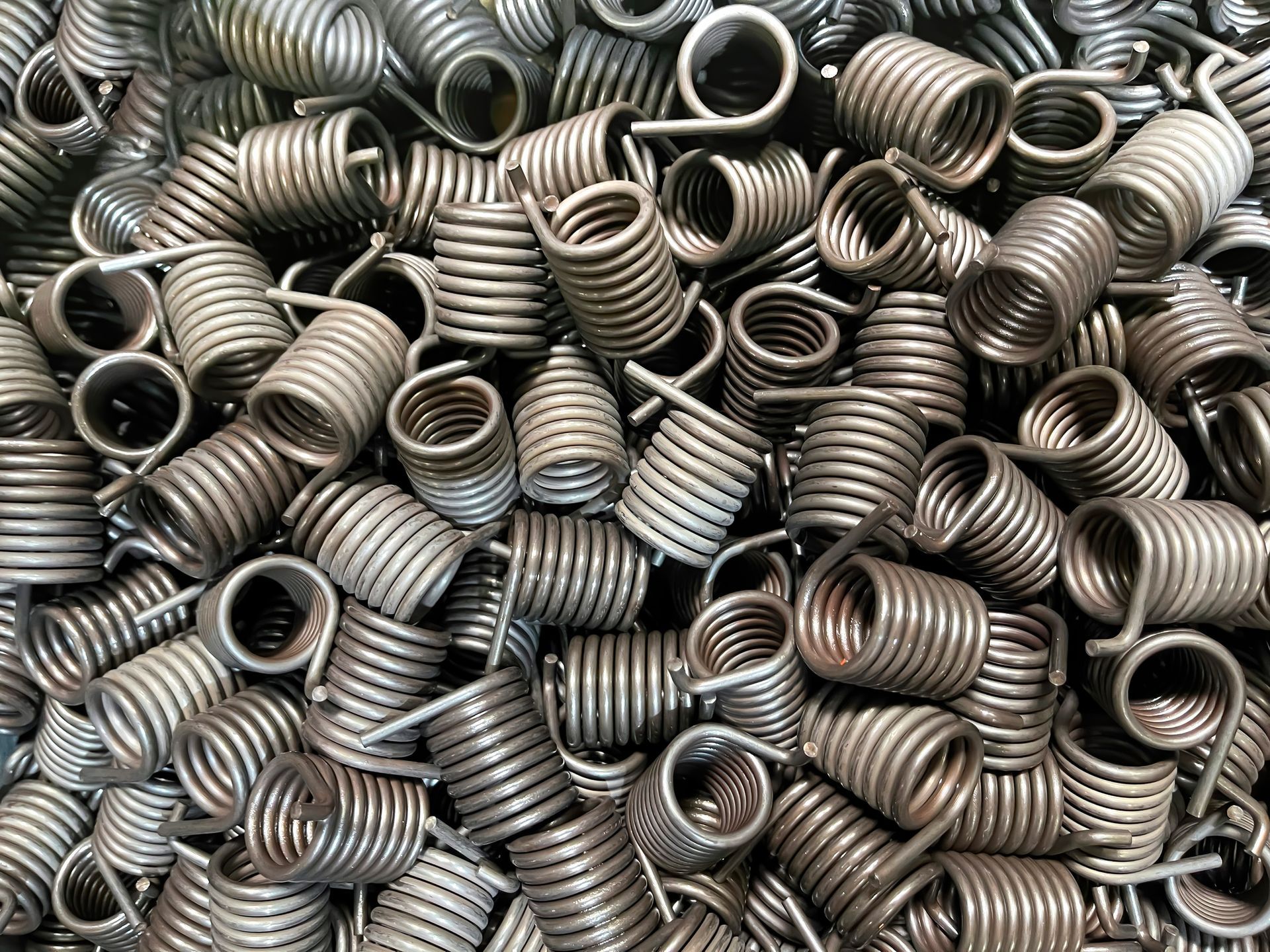
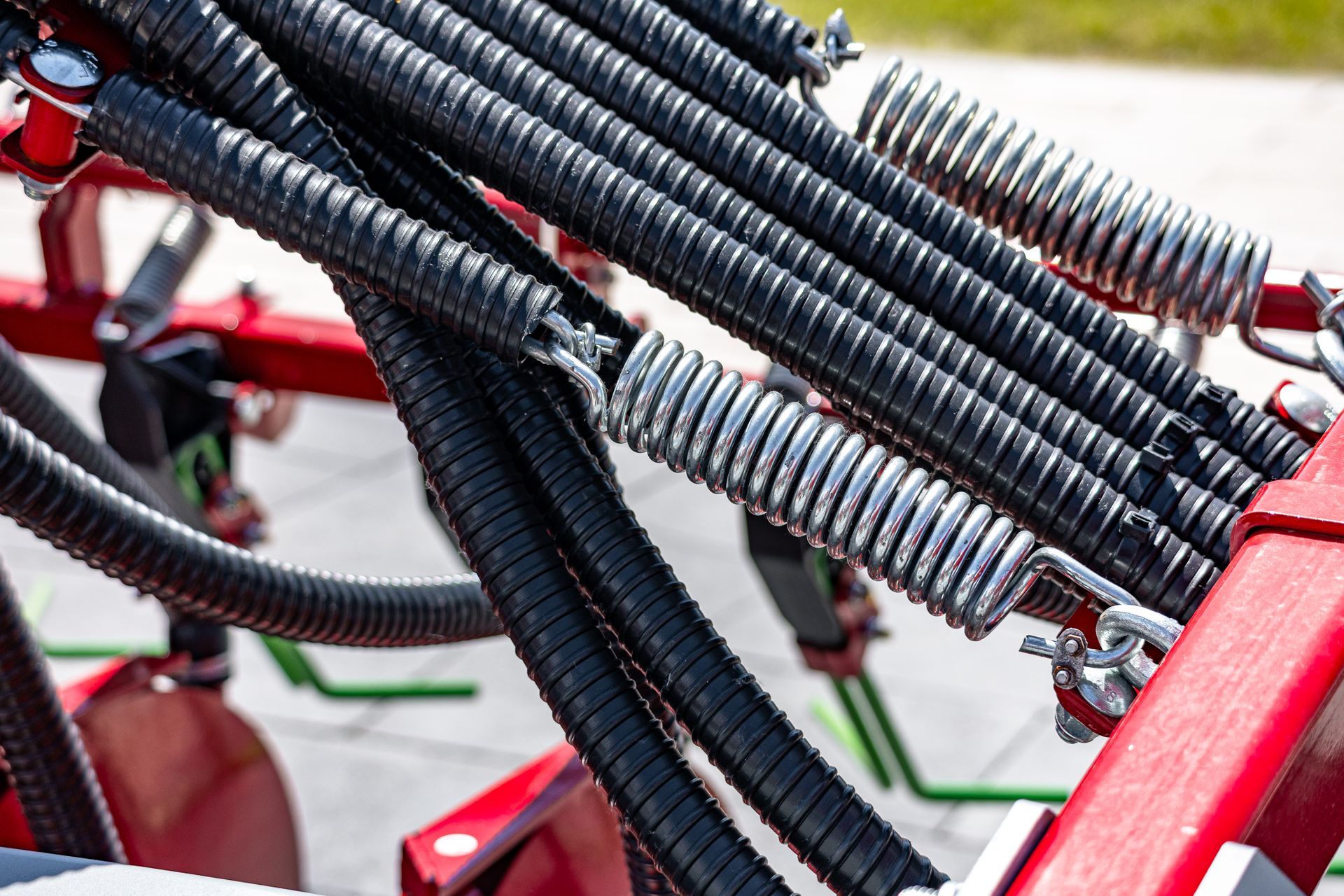
Procurement teams working with an extension spring supplier benefit most when they understand the full specification and sourcing process before placing an order. Getting these details right reduces rework, minimizes lead time surprises, and helps teams in markets like Tulsa, OK, source components that perform reliably in the field.
Key Specification Parameters Every Buyer Should Know
An extension spring supplier needs precise dimensional data to produce springs that work as intended. The five parameters that matter most are wire diameter, outer diameter (OD), free length, hook type, and load or spring rate.
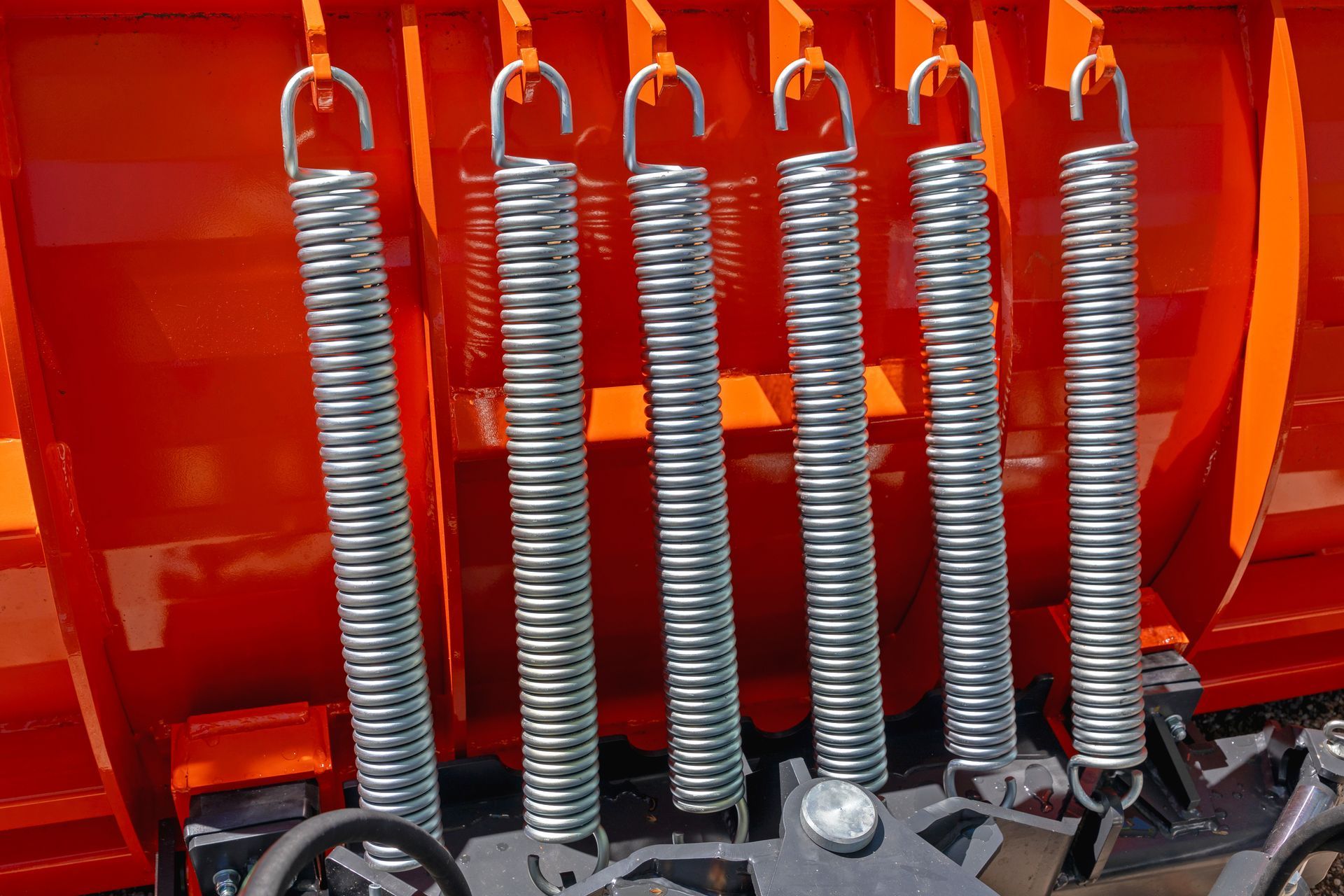
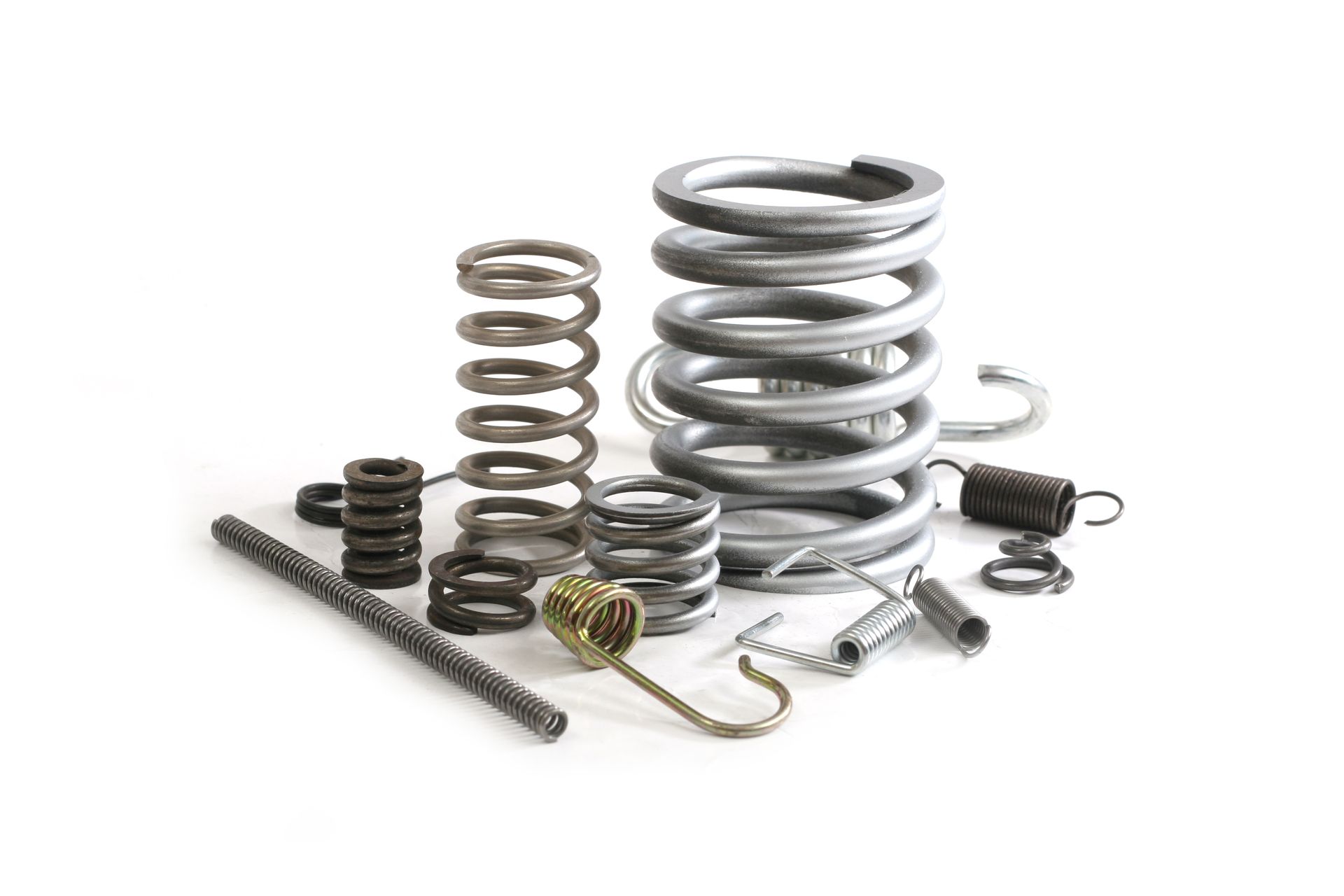
Wire diameter affects strength and flexibility. OD and free length define the physical envelope the spring must fit within. Hook type determines how the spring attaches to your assembly, with common options including machine hooks, extended hooks, and crossover hooks. Load is the force the spring must exert at a given extension; spring rate describes how much force increases per unit of stretch.
Leaving any of these undefined leads to revisions or parts that fail in service. Complete a full specification sheet before contacting any vendor.
Tolerance ranges matter as much as the nominal dimensions themselves. A spring specified only with a target free length, for example, leaves the supplier guessing at how much variance your assembly can tolerate. Buyers should state acceptable tolerances for each critical dimension, along with the direction of any bias if one is preferred, such as always slightly over rather than under.
What Materials Are Extension Springs Made From?
Material selection depends on the application environment. Common options include hard-drawn wire for general-purpose, non-critical applications; music wire for higher tensile strength and precision equipment; stainless steel for corrosion resistance in outdoor, agricultural, or chemical-adjacent environments; and chrome-silicon or chrome-vanadium alloy for elevated temperatures and cyclic fatigue in heavy industrial machinery.
Teams operating equipment in Oklahoma's varied climate should flag environmental conditions to their supplier upfront, as the wrong material can shorten spring life considerably.
Cost is also a factor in material selection, and it is worth discussing trade-offs with your supplier rather than defaulting to the most conservative option. Hard-drawn wire is the most economical choice for indoor, low-cycle applications, while stainless steel and specialty alloys carry a price premium justified only when the operating environment demands it. A supplier who understands your full application, not just the dimensional spec, can help avoid over-specifying material and paying for performance the application does not need.
How to Communicate Specs Clearly to a Supplier
Clear communication with your extension spring supplier starts with written documentation. Provide a drawing or sketch alongside your specification sheet, and include an application description so the supplier understands how the spring will be loaded, how often, and in what environment.
If your application involves high cycles, state the expected cycle count. If a coating or plating is required, specify it explicitly. Verbal orders without documentation are a common source of errors. An experienced extension spring supplier will often provide specification templates to streamline this process.
Red Flags of Under-Specified Orders
Watch for these warning signs before finalizing a purchase order: submitting only a physical sample with no dimensional data, omitting load or rate requirements, failing to specify hook type, not confirming material or surface finish, and skipping tolerance ranges. Each can result in delays, additional tooling charges, or springs that require rework.
Understanding Lead Time and Tolerance Expectations
Lead time on a custom extension spring order depends on more than raw production time. Material availability, order quantity, and whether tooling already exists for your specification all factor into the timeline a supplier quotes. Standard wire diameters and common hook styles typically move faster through production than unusual combinations that require custom tooling.
Buyers can shorten lead times by submitting a complete specification on the first pass. Incomplete submissions that require a round of clarifying questions add days before production even begins. It also helps to flag your required delivery date upfront rather than after a quote is issued, since some suppliers can prioritize scheduling when they know the constraint in advance.
Tolerance expectations should be discussed at the quoting stage, not after parts arrive. Tighter tolerances generally mean higher cost and longer lead time, since they may require additional inspection steps or tooling adjustments. Buyers should specify the loosest tolerance their assembly can accept rather than defaulting to tight tolerances out of caution, which keeps both cost and lead time in check without compromising fit or function.
Frequently Asked Questions (FAQ)
What Dimensions Do I Need to Provide When Ordering Extension Springs?
Provide wire diameter, outer diameter, free length, hook type, and spring rate. A drawing and application description help confirm your specs match the intended use.
What Is the Best Material for Extension Springs Used Outdoors?
Stainless steel is the top choice for outdoor or corrosive environments. It resists rust and weathering better than standard hard-drawn wire in most outdoor settings.
How Do I Avoid Errors When Submitting a Spring Order?
Submit a written specification sheet and drawing instead of verbal descriptions or physical samples. Confirm all five key parameters and any environmental or cycle-count requirements.
Work With a Local Spring Manufacturer Serving Tulsa
Procurement teams that choose the right extension spring supplier and prepare thorough specifications get better results and fewer surprises. Action Spring Co. Inc. has served manufacturers and industrial buyers for over 50 years, providing custom extension springs built to customer specs for any order quantity.
Contact us to request a quote, or learn more about Action Spring Co. Inc. on Google.