Choosing the right spring supplier can directly affect the quality, safety, and cost of your final product. Oklahoma manufacturers and procurement teams working with industrial components need a reliable partner, not just a vendor. A poor sourcing decision rarely shows up immediately; it surfaces later as line stoppages, warranty claims, or a failed part in the field. Knowing how to evaluate a spring company in Tulsa, OK, before placing an order can save time, prevent costly rejects, and protect your production schedule.
Start With Quality Control Processes
A strong spring supplier has documented, repeatable quality control steps. Look for suppliers who perform first article inspections before full production runs begin. In-process inspections throughout manufacturing and a final inspection before shipment are both signs that a supplier takes quality seriously. SPC (Statistical Process Control) and SQC (Statistical Quality Control) testing equipment are worth asking about because they help catch defects early, not after parts have already shipped to you. These checks matter most on high-volume runs, where a small dimensional drift can multiply into thousands of out-of-spec parts before anyone notices. Ask a prospective supplier to walk you through their inspection log format, not just describe the process verbally.
What Certifications Should a Quality Spring Supplier Have?
Certifications tell you a supplier has been measured against an outside standard. ISO 9001 is the most widely recognized quality management certification in precision manufacturing. Some suppliers may not hold formal ISO certification but instead accept direct customer audits of their facility and quality procedures. Annual audits by your own team can be a reasonable alternative, provided the supplier maintains a documented quality manual and a measurable track record. A rejection rate below 0.1% is a meaningful benchmark to ask about. Beyond ISO 9001, some industries layer on additional requirements, so it's worth confirming a supplier's certifications match your specific end use rather than assuming general quality credentials are sufficient. A supplier willing to share redacted inspection reports or a sample quality manual is usually more confident in its own process than one that treats those documents as confidential.
Key Certifications and Standards to Ask About
- ISO 9001 quality management certification.
- Customer-conducted facility and process audits.
- Material traceability documentation for incoming raw stock.
- Compliance with industry-specific standards (aerospace, oil field, agriculture).
Evaluate Materials Range and Custom Capability
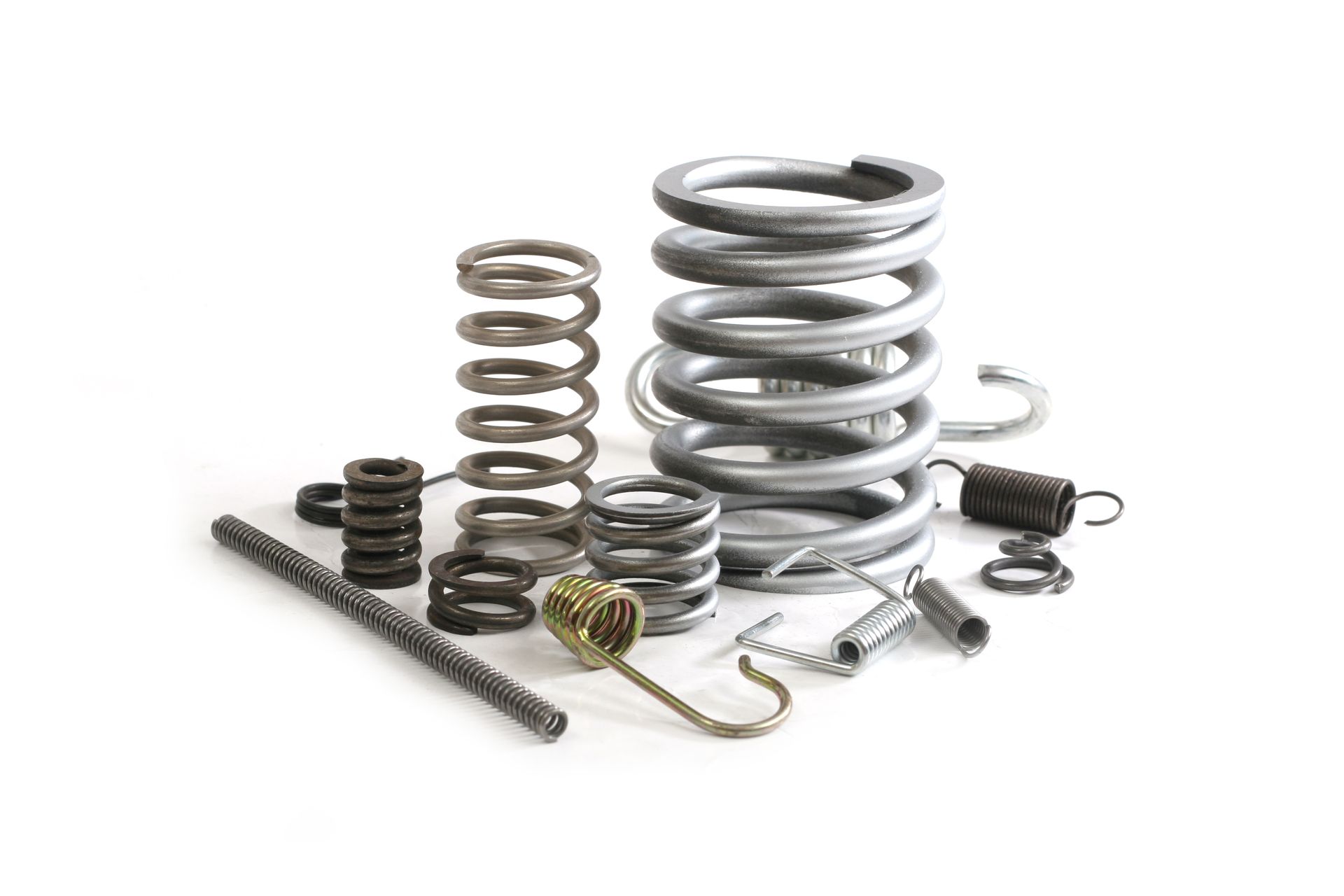
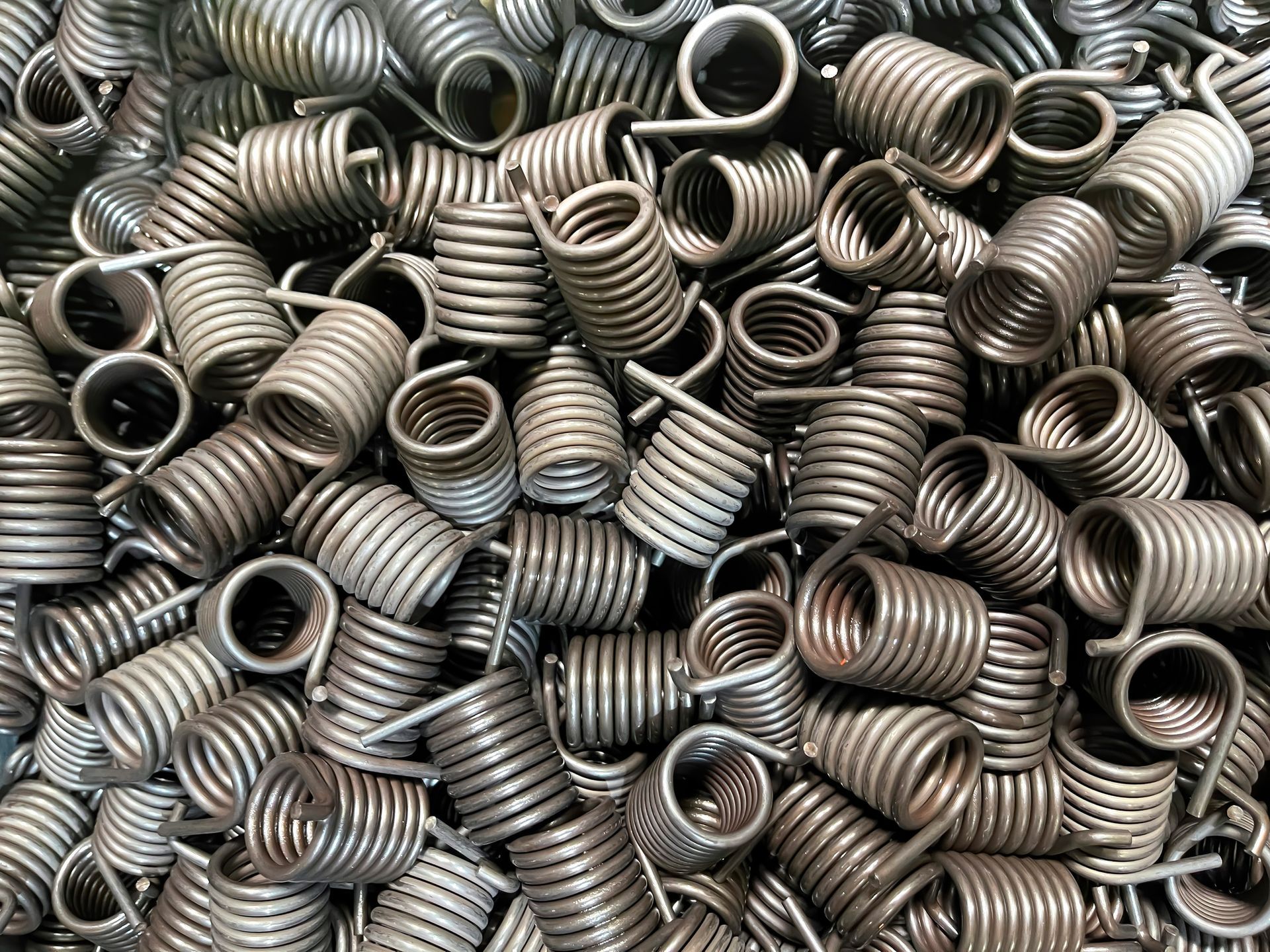
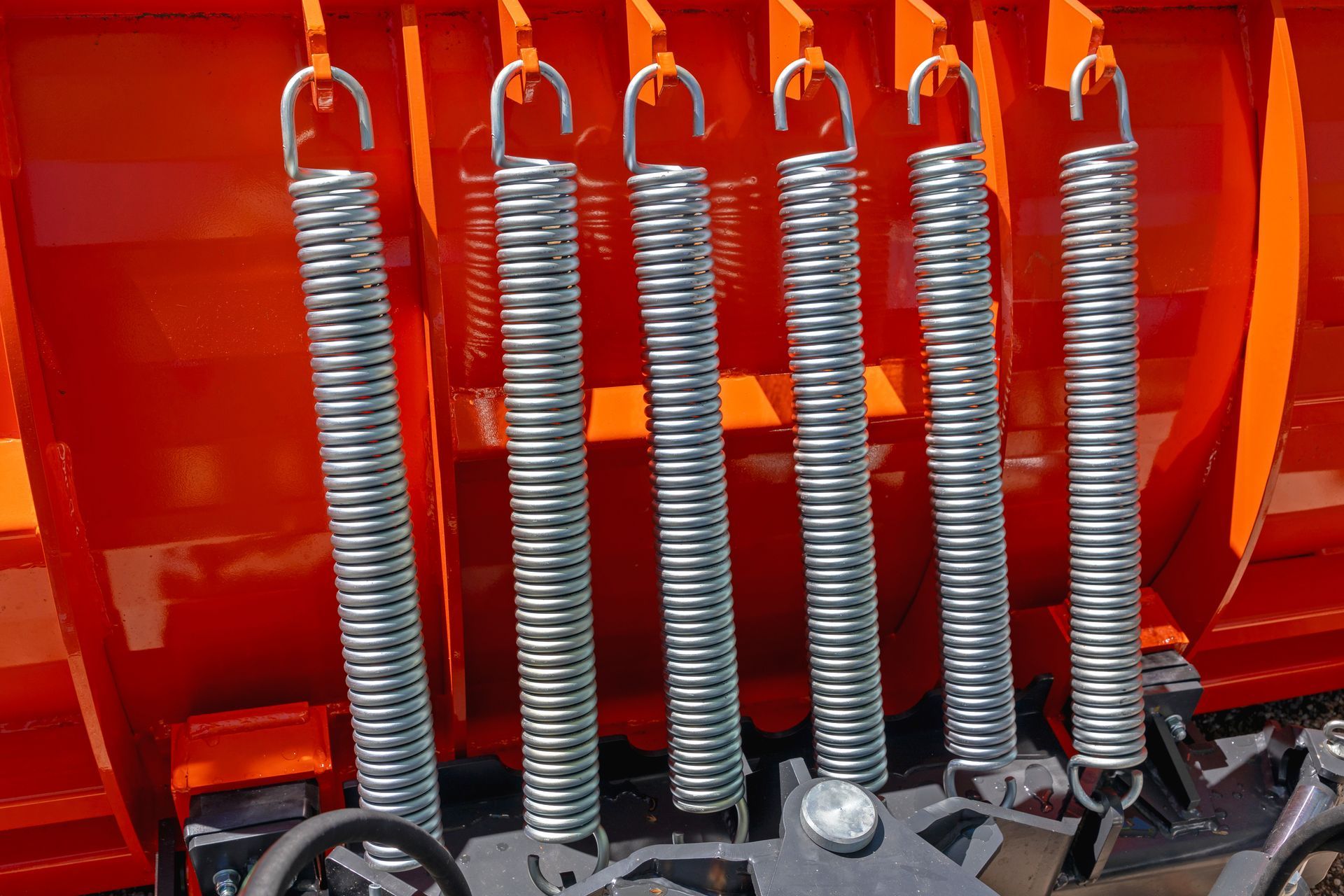
A capable manufacturer can work across a range of wire materials. Stainless steel, music wire, phosphor bronze, and oil-tempered wire each serve different load, temperature, and corrosion requirements. Oklahoma's oil field and agricultural industries often need springs built for demanding outdoor environments. Confirm that the supplier can produce the spring types your application requires, whether compression, extension, torsion, or flat springs, and in the exact wire diameter your design calls for. Material selection also affects lifecycle cost: a spring made from the wrong alloy for its operating environment may meet initial specifications but fail prematurely under repeated load or corrosive exposure. A supplier who asks detailed questions about your application, rather than simply quoting from a spec sheet, is more likely to flag a material mismatch before it becomes a field failure.
Lead Time, Tooling, and Custom Orders
Performance isn't only about the part itself. It's also about how reliably a supplier delivers. Ask whether tooling is done in-house or outsourced. In-house tooling typically shortens setup time and reduces the chance of delays. Confirm lead times for both prototype runs and high-volume orders. A supplier with spring quality control procedures built into every stage of production is more likely to meet your timeline consistently.
Questions to Ask Before Placing an Order
- What is your standard lead time for custom orders?
- Is tooling completed in-house?
- How do you handle a part that falls outside tolerance?
- Can you provide material certifications for incoming raw stock?
- What is your rejection rate over the past 12 months?
Common Mistakes to Avoid When Switching Suppliers
Switching spring suppliers is often triggered by a quality problem, a price increase, or a lead-time failure, but the transition itself carries risk if it's rushed. Requalifying a new supplier without running a full first article inspection on their output is one of the most common mistakes, since a part can look correct on a caliper and still fail under load if the manufacturing process differs from the original. It also helps to overlap suppliers for at least one production cycle rather than switching all volume at once, so a problem with the new source doesn't stop your line entirely. Finally, confirm that the new supplier can match not just the print dimensions but also the plating, heat treatment, and packaging specifications your downstream process depends on.
Why Sourcing Locally in Tulsa Can Matter
Oklahoma manufacturers in aerospace, agriculture, construction, and oil field industries may benefit from working with a local spring supplier. Shorter shipping distances can reduce transit damage risk and turnaround time. A local supplier is also easier to audit in person, which matters when your production depends on verified quality. Working with a nearby supplier can also simplify communication during design changes, since engineering questions can be resolved in a phone call or site visit rather than a multi-day email exchange across time zones.
Ready to Find a Spring Supplier Serving Tulsa?
For manufacturers and buyers in the Tulsa, OK, area, Action Spring Co. Inc. offers custom spring manufacturing with in-house tooling, multi-stage quality control, and engineering support. Reach out to start the conversation at
Action Spring Co. Inc. or use the
contact form to request a quote.