Choosing the right custom spring supplier company in Tulsa, OK, means more than comparing lead times and price points. Certifications tell you whether a supplier's quality systems can actually protect your business. This guide walks B2B buyers through four credentials that matter most: ISO 9001:2015, AS9100, RoHS compliance, and DFARS compliance. Understanding each one before you place an order may save you from rejected parts, failed audits, and costly supply chain disruptions.
Why Certifications Matter When Sourcing Custom Springs
Certifications are the fastest way to verify a supplier's commitment to consistent quality. The audits and documentation behind them reveal how a manufacturer actually runs its floor. For buyers in Tulsa sourcing into aerospace, oil field, agriculture, or electronics supply chains, the wrong custom spring supplier company can introduce compliance risk at every tier below you.
Tulsa sits at the crossroads of aerospace manufacturing, energy production, and heavy agricultural equipment. Each industry carries its own regulatory expectations for metal components. Knowing which certifications apply to your specific end use is the first step in a smart purchasing decision.
Key Certifications to Ask a Spring Supplier About
The four credentials most relevant when evaluating a custom spring supplier company are ISO 9001:2015, AS9100, RoHS, and DFARS compliance. Each addresses a different layer of risk.
ISO 9001:2015
ISO 9001:2015 is the baseline quality management system standard for general manufacturing. It confirms a supplier has documented processes, corrective action procedures, and a system for consistently meeting customer requirements. For most B2B buyers outside aerospace and defense, it may be a minimum requirement. When evaluating certificates, verify the scope covers the specific products you are ordering and that the expiry date has not lapsed.
AS9100
AS9100 builds on ISO 9001:2015 with roughly 160 additional requirements covering product safety, full material traceability, risk management, counterfeit parts prevention, and foreign object debris control. For buyers supplying into aerospace programs near the Tulsa International Airport corridor or defense contractors across northeastern Oklahoma, AS9100 certification may be mandatory. Verify certificates through the OASIS database maintained by the International Aerospace Quality Group.
RoHS Compliance
RoHS restricts hazardous substances, including lead, mercury, cadmium, and hexavalent chromium, in electrical and electronic equipment. For springs used in electronics assemblies or products sold into EU-facing supply chains, RoHS compliance matters. A compliant supplier can provide a declaration of conformity backed by material data. Request this documentation during quoting, not after parts ship.
DFARS Compliance
DFARS governs procurement for contractors supplying goods to the U.S. Department of Defense. For spring suppliers, it primarily concerns country of origin for specialty metals, including certain stainless steel grades. If your product ends up in a defense application, your supplier's sourcing practices become your compliance exposure. Non-compliance can mean contract termination and disqualification from future DoD work. Request country-of-origin documentation and material certifications before production begins.
Questions to Ask a Custom Spring Supplier Company in Tulsa, OK
A short checklist can help you evaluate any supplier before placing an order:
- Are you ISO 9001:2015 certified, and can you provide a copy of your certificate with the current expiry date?
- Do you hold AS9100 certification, and can I verify it in the OASIS database?
- Can you provide RoHS declarations or certificates of conformity for the alloys used in my part?
- Do you have documented country-of-origin traceability for specialty metals under DFARS 252.225-7014?
- What testing equipment do you use for quality control, and how do you document results?
- Do your customers perform facility audits, and can you describe your corrective action process?
Even without formal certification, answers to these questions reveal whether a supplier's quality systems are audit-ready.
What to Do When a Supplier Is Not Certified
Not every high-quality spring manufacturer holds formal third-party certification, particularly among smaller regional shops. In those cases, look for suppliers whose customers perform annual facility audits, who maintain documented quality manuals, and who track measurable rejection rates. Ask about statistical process control practices, which are reliable indicators of in-process discipline regardless of certification status.
Frequently Asked Questions
What Certifications Should I Require From a Spring Manufacturer?
For most industrial buyers, ISO 9001:2015 is a reasonable starting point. Aerospace and defense programs typically require AS9100, and electronics or EU-facing supply chains may require RoHS documentation. DFARS compliance matters any time specialty metals flow into a DoD contract.
How Do I Verify a Spring Supplier's ISO or AS9100 Certificate?
Request a copy directly from the supplier, confirm the certification body is accredited, and verify the certificate is active. AS9100 certificates can be cross-referenced through the OASIS database by searching the supplier's company name.
Does a Spring Supplier Need AS9100 Certification for Aerospace Work?
For commercial aerospace components, AS9100 is strongly recommended, and many prime contractors require it. Check your own contract flow-down requirements to confirm whether AS9100 is mandatory for your specific program.
Work With a Trusted Spring Supplier Serving Tulsa, OK
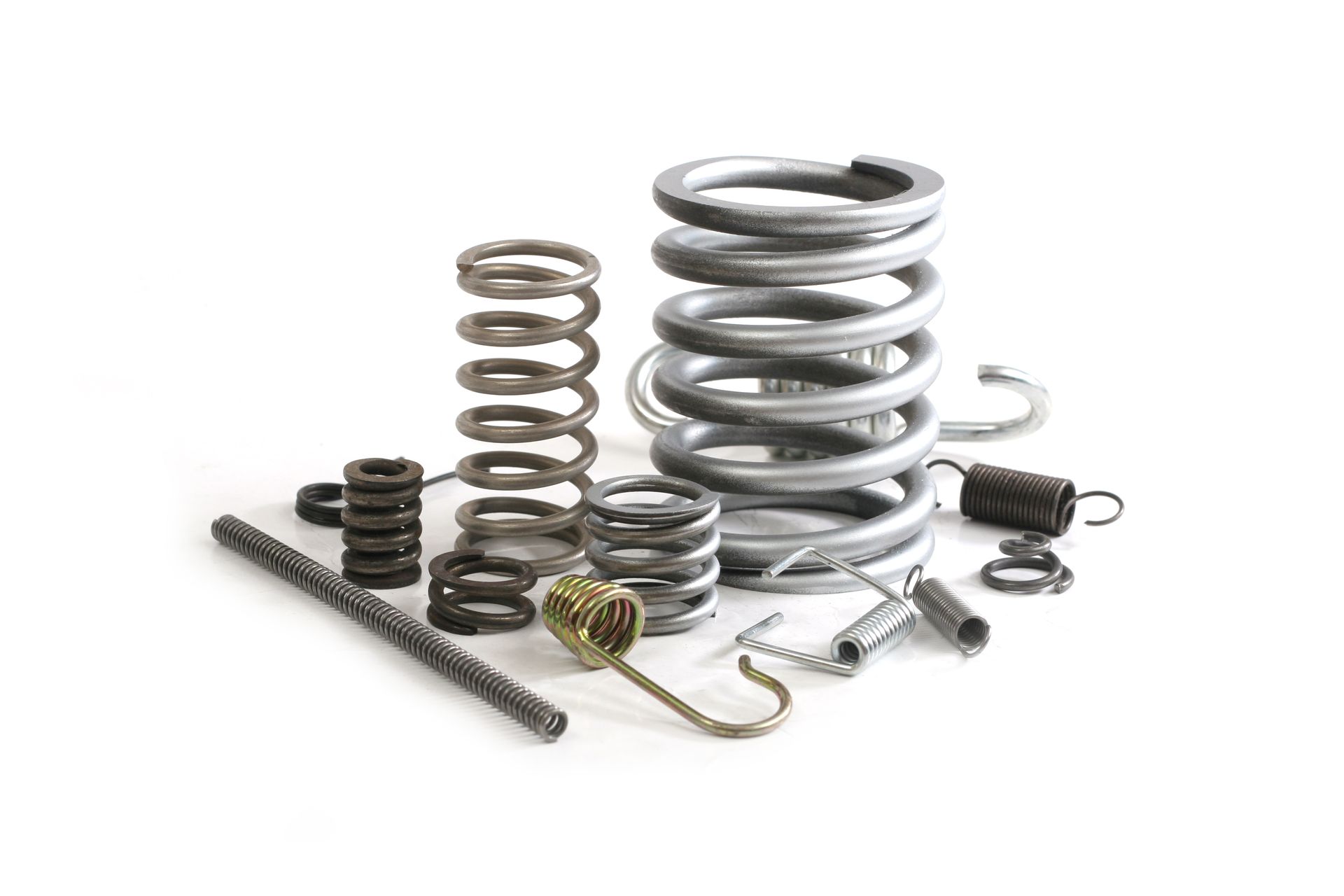
Choosing a custom spring supplier company affects your quality, compliance, and delivery timeline. Action Spring Co. Inc., serving Tulsa, OK, manufactures compression, extension, torsion, and flat springs, as well as wire forms and metal stampings to customer specifications across aerospace, agriculture, oil field, construction, and electronics industries. Customers perform annual facility audits to verify quality procedures, and the engineering team uses spring design software to catch issues before production begins. To discuss your specifications, visit the quality control and engineering page or contact the team directly at (918) 836-9000.